THE PROJECT
I. Status
Currently, DUTHSat is undergoing its “flat-sat” tests, which involves interconnecting all subsystems of the satellite “flat” on the laboratory bench, so that all functional tests can be conducted, before assembling and integrating the Flight Model with the CubeSat structure.
II. Schedule
After integration, the Flight Model will undergo a rigorous set of tests (functional, electrical, thermal, vacuum and vibration), to ensure that the satellite will be able to withstand the harsh space environment, including the intense vibrations during launch. These tests will be followed by pre-launch operations and final checkout tests, which will include a flight-like full-satellite testing; this will include testing satellite operations on internal batteries and solar arrays, with all beacons and devices on, testing communications with the Ground Station, telemetry and payload data collections, etc.
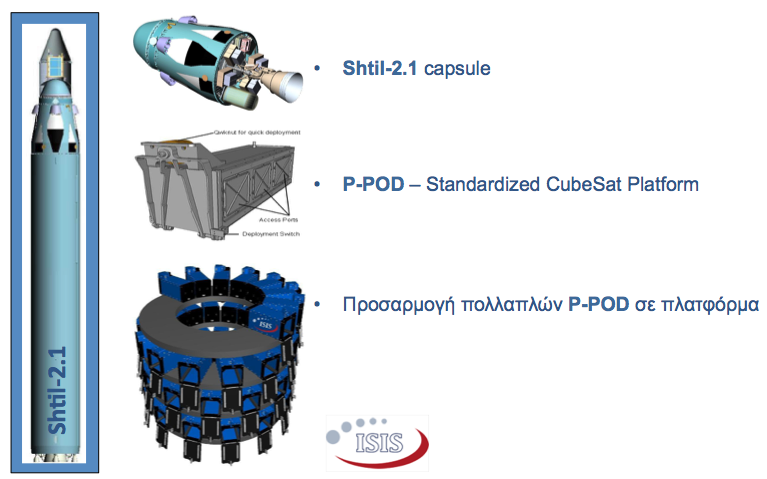
After testing phase is completed, DUTHSat will be shipped to the QB50 coordinators and participating entities for integration with the Cube-Sat deployer that will release each satellite individually.
III. Satellite Operations
The CubeSat deployer with all 50 satellites will then be shipped to the launch site for integration with the launcher. The early in-orbit operations and commissioning activities will include an Initialization Phase, in which the DUTHSat antenna is deployed, radio communication with the Ground Station at DUTH are established and the initialization commands are issued. Subsequently, during the Characterization and Commissioning Phase, DUTHSat functions and overall health will be monitored.
This phase also includes achieving attitude stabilization and testing DUTHSat instruments. After achieving attitude stabilization, DUTHSat will move on to the Mission Phase, switching on the instruments in the appropriate mode and gradually maximizing the amount of science data downloaded and reducing the amount of housekeeping parameters